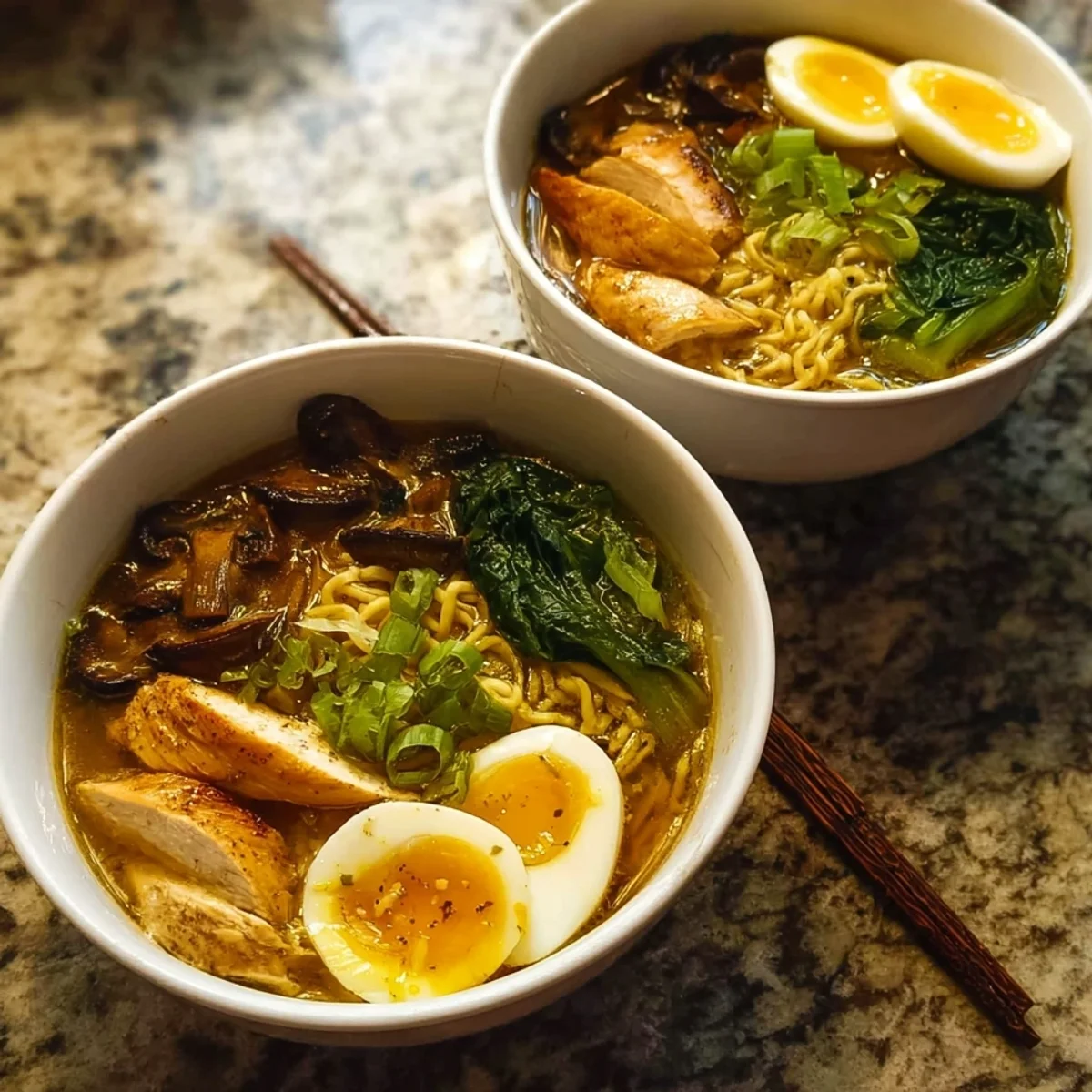


I remember the first time I tried to make ramen at home. It was a disaster, honestly! Noodles turned to mush, broth was bland... a real kitchen tragedy. But my craving for that warm, comforting bowl, especially a Gluten Free Ramen, just wouldn't quit. After countless experiments and a few "oops" moments, I finally cracked the code for this amazing Savory Gluten Free Ramen. It's high-protein, packed with umami, and makes me feel like a total ramen pro, even after all those initial fails. You're gonna love it!
Oh, the time I tried to press tofu with a stack of cookbooks, only for them to slide off and smash a garlic clove! I didn't expect that. My kitchen looked like a crime scene, tiny tofu bits everywhere, and a very confused cat. Let's just say, I learned the value of a proper tofu press (or at least a stable stack of cans!) the hard way for this high-protein ramen. Lesson learned, messy kitchen be darned!
Ingredients for a Perfect Savory Gluten Free Ramen
- 4 cups low-sodium vegetable broth: This is the soul of our ramen, hon! Don't skimp on quality here. A good veggie broth lays down that essential savory foundation. I've tried making my own from scratch, which is lovely, but for a quick weeknight meal, a good store-bought low-sodium option is my go-to. It means you can control the salt later, which is key for a perfectly balanced bowl.
- 2 tbsp gluten-free white miso paste: Miso is where the magic happens, giving our broth that deep, complex umami flavor that ramen is famous for. White miso is milder and slightly sweet, perfect for this recipe. Just be sure it's gluten-free not all miso pastes are, so always check that label! It dissolves beautifully into the hot broth, transforming it into something truly special.
- 1 tbsp tamari (gluten-free soy sauce): Tamari is our gluten-free hero, delivering that salty, savory depth you'd expect from soy sauce, but without the wheat. It's crucial for achieving that authentic ramen flavor profile. I've made the mistake of grabbing regular soy sauce in a rush before, and my tummy regretted it! Always double-check, my friend.
- 1 tbsp fresh ginger, grated: Fresh ginger brings a vibrant, zesty warmth that brightens up the whole dish. It's a non-negotiable for me! That pungent, slightly spicy kick really elevates the broth and complements the other rich flavors. I always keep a knob in my freezer, it grates like a dream when frozen, no peeling needed! So handy for recipes like this.
- 8 oz gluten-free ramen noodles: The star of the show, right? Finding good Gluten Free Ramen noodles used to be a quest, but now there are so many fantastic options made from rice, sweet potato, or even millet. They cook up perfectly chewy and slurpable, just like the real deal. Make sure to follow package directions closely so they don't get mushy on you!
- 14 oz extra-firm tofu, pressed and cubed: Tofu is our protein powerhouse here, soaking up all that amazing broth flavor. Pressing it is key it removes excess water, allowing it to get nice and crispy when cooked, and prevents it from diluting our precious broth. Don't skip this step, it makes all the difference in texture and taste for this hearty Gluten Free Ramen.
How to Make This Amazing High-Protein Ramen
- Step 1: Prep Tofu and Eggs:
- First things first, get that tofu pressed! I usually wrap it in paper towels, pop it between two plates, and weigh it down with something heavy a cast iron skillet works wonders. While it's pressing, gently lower your eggs into boiling water for exactly 6-7 minutes for that perfect jammy yolk. Immediately dunk them in an ice bath to stop cooking. Trust me, the soft-boiled egg in this ramen is pure bliss.
- Step 2: Simmer Umami Broth:
- This is where the magic starts to happen, my friend! In a medium pot, combine your vegetable broth, miso paste, tamari, grated ginger, and minced garlic. Whisk it all together until the miso is completely dissolved. Bring it to a gentle simmer over medium heat. Let those incredible aromas fill your kitchen, it’s going to be the heart and soul of your delicious Gluten Free Ramen. Don't let it boil vigorously, just a happy little simmer.
- Step 3: Cook Tofu and Mushrooms:
- While your broth is simmering, heat a splash of sesame oil in a separate pan. Add your pressed and cubed tofu. Cook until it’s beautifully golden and crispy on all sides this takes a bit of patience but is SO worth it! Then, toss in your sliced shiitake mushrooms and cook until they’re tender and slightly browned. They add an amazing earthy depth. This step adds wonderful texture to our high-protein meal.
- Step 4: Cook Ramen Noodles:
- Now for the noodles! Follow the package directions for your Gluten Free Ramen noodles. Most will only need a few minutes in a separate pot of boiling water. The key here is to cook them al dente slightly firm to the bite. Overcooked noodles are a sad, mushy mess, and we don't want that! Drain them immediately and give them a quick rinse if the package suggests, to prevent sticking.
- Step 5: Wilt spinach:
- This is a super quick step! Just before serving, toss your fresh spinach directly into the hot ramen broth. The residual heat from the broth will gently wilt the spinach in mere seconds, making it tender and vibrant. It adds a lovely pop of green and a fresh, slightly bitter counterpoint to the rich broth. No need for extra cooking, just a quick dunk! This simple addition makes our Gluten Free Ramen even more appealing.
- Step 6: Assemble Bowls:
- Time to bring it all together! Divide the cooked noodles among four deep ramen bowls. Ladle that aromatic broth over the noodles, making sure you get plenty of the flavorful ginger and garlic bits. Arrange the crispy tofu, tender shiitake mushrooms, and wilted spinach artfully on top. This is the moment your beautiful Gluten Free Ramen really takes shape, looking like a culinary masterpiece!
Making this ramen always fills my kitchen with the most incredible aromas that mix of ginger, garlic, and savory miso is just heavenly. There's something so calming about watching the broth simmer and assembling those vibrant bowls. It’s a dish that feels like a warm hug, a little piece of culinary self-care, and it makes me so happy to share this delicious ramen with loved ones.
Keeping Your Ramen Fresh: Storage Secrets
So, you’ve got leftovers of your amazing high-protein ramen? Lucky you! The best way to store this is to keep the broth separate from the noodles and toppings. Those gluten-free noodles can get really mushy if they sit in the broth too long, and nobody wants sad, soggy ramen. Store the broth in an airtight container in the fridge for up to 3-4 days. Keep the cooked tofu, mushrooms, and eggs in separate containers too. When you're ready for another bowl, gently reheat the broth, then add fresh noodles (if you have them, otherwise just reheat the existing ones quickly) and your toppings. I once threw everything into one container and woke up to a gelatinous blob oops! Learn from my mistakes, friend.

Ingredient Swaps for Your Ideal Ramen
I've played around with so many variations of this savory ramen! If tofu isn't your jam, feel free to swap in tempeh for an equally high-protein, firm texture, or even some shredded cooked chicken if you're not strictly vegetarian. For the mushrooms, cremini or oyster mushrooms work beautifully if you can't find shiitake, bringing a similar earthy depth. No spinach? Bok choy or even kale (massaged first!) would be fantastic. And if you’re out of tamari, a good quality coconut aminos is a decent gluten-free soy-free alternative, though it’s a bit sweeter. Don't be afraid to experiment with what you have on hand that's the fun of home cooking!
Serving Up Your Delicious Ramen with Style
This high-protein ramen is pretty much a complete meal on its own, honestly. But if you wanna get fancy (and who doesn't?), a sprinkle of toasted sesame seeds adds a lovely crunch and nutty flavor. A drizzle of chili oil or sriracha is a must for me if I'm feeling a little extra heat it just wakes everything up! You could also add some thinly sliced scallions or a sheet of nori (seaweed) cut into strips for that authentic ramen shop vibe. Sometimes, I even serve a small side of quick-pickled cucumbers for a refreshing, tangy contrast. It just makes the whole experience feel like a special treat, even on a Tuesday night!
The Heartwarming Story Behind Japanese Ramen
Ramen, in its essence, is a Japanese noodle soup, but its origins are actually quite complex, with strong influences from Chinese noodle dishes. Over time, it evolved into countless regional variations across Japan, each with its unique broth, toppings, and noodles. The beauty of something like this savory ramen is that it honors that tradition while making it accessible to everyone, especially those of us with dietary needs. It’s a testament to how food traditions adapt and grow, bringing comfort and deliciousness to new generations and palates. For me, it’s about taking that incredible flavor profile and making it work for my kitchen, respecting its roots while making it my own.
There you have it, my friend my go-to recipe for a truly satisfying, high-protein ramen. It’s a dish born from a love for ramen and a need for a gluten-free option, perfected through many happy (and sometimes messy!) kitchen adventures. I hope it brings as much warmth and joy to your table as it does to mine. Don't forget to share your ramen creations with me in the comments below!

Your Burning Questions About Gluten Free Ramen Answered
- Can I make this Gluten Free Ramen vegetarian?
Yes, absolutely! This recipe is already written to be vegetarian. The broth is vegetable-based, and the protein comes from tofu and eggs. If you want to make it vegan, just omit the eggs and maybe add more tofu or some edamame for extra protein!
- What kind of gluten-free ramen noodles should I use?
There are many great options now! Look for noodles made from brown rice, millet, or sweet potato. Brands like Lotus Foods or King Soba are usually good choices. Just make sure they're specifically labeled 'gluten-free' for the best texture and flavor.
- Can I meal prep this Gluten Free Ramen?
You totally can, with a little planning! As I mentioned in the storage tips, keep the broth separate from the noodles and toppings. Cooked noodles can get mushy if stored in the broth. Reheat the broth, then add freshly cooked (or quickly reheated) noodles and toppings for the best experience.
- Is miso paste always gluten-free?
Nope, not always, hon! While many miso pastes are naturally gluten-free as they're made from soybeans and rice koji, some varieties can contain barley or other gluten-containing grains. Always, always check the label to ensure it's certified gluten-free, especially for this recipe.
- How can I make the broth spicier?
Oh, I love a little kick! You can easily make it spicier by adding a pinch of red pepper flakes to the broth while it simmers, or by stirring in some sriracha or chili garlic sauce to your bowl right before serving. A drizzle of chili oil is also fantastic for that extra heat!